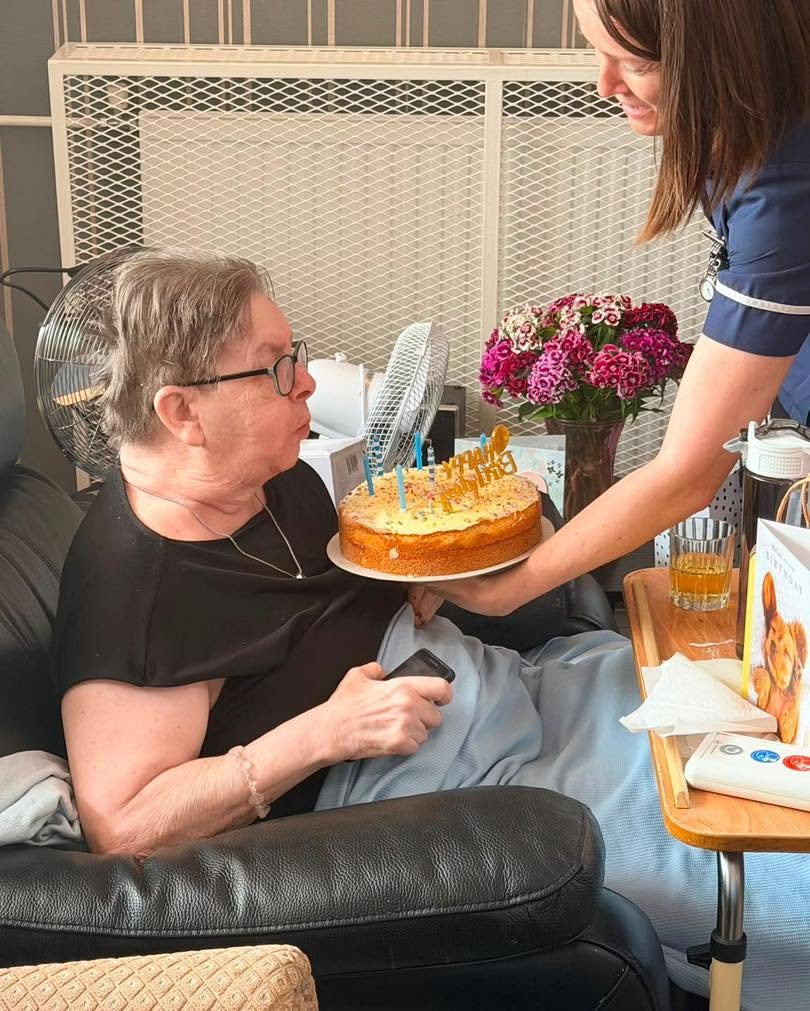
Mental Health Matters: Supporting Emotional Well‑Being in Senior Residents
Ageing brings wisdom, experience, and reflection, but it can also bring emotional challenges that should not be ignored. While physical health is often closely monitored in later life, mental and emotional wellbeing are just as important. Supporting emotional health is not only about preventing illness, but also about helping people live meaningful, connected, and dignified lives.
For families looking at Care Homes in Bexhill-on-Sea, understanding how emotional wellbeing is supported can be an important factor when choosing the right care setting for a loved one. As people age, they may face different challenges that affect mental health. Social isolation and loneliness are common and may happen due to reduced mobility, bereavement, or changes in living arrangements. Losing independence can also affect confidence and self-esteem, especially when help is needed with daily tasks.
Physical health conditions such as long-term illness or pain can also lead to anxiety or low mood. Memory loss and conditions such as dementia may cause confusion, frustration, and emotional distress. Recognising these challenges is the first step in creating a kind and supportive care environment, especially in an Elderly Care Home in Bexhill.
Ways to Support Emotional Wellbeing
A good care approach looks after emotional needs as well as physical health. There are several simple but important ways to support wellbeing.
Staying socially connected is very important. Group activities, shared meals, and community events help residents make friends and feel included. Time with family and opportunities to mix with different age groups can also reduce loneliness and improve mood.
Giving residents choices, even in small daily decisions, helps them feel more independent and confident. Taking part in hobbies, creative activities, reading, or puzzles can give a sense of purpose and enjoyment.
Kind and caring support from staff also makes a big difference. Listening carefully, showing patience, and understanding feelings helps residents feel safe and valued. A regular daily routine can also help reduce anxiety by providing structure and familiarity.
Physical health and emotional health are closely linked. Gentle activities like walking or stretching can improve mood and reduce stress. Eating well, sleeping properly, and using relaxation techniques such as deep breathing can also support overall wellbeing.
In some cases, extra support from health professionals may be needed. Counselling, regular health checks, and medical care can help ensure residents receive the right level of support for their needs. These approaches are especially important in a Residential Care Home in Bexhill, where both independence and safety are supported.
Why Emotional Wellbeing Matters in Care
When emotional wellbeing is supported, residents often feel happier, more active, and more involved in daily life. They are more likely to take part in activities and enjoy social interaction.
Good emotional health can also improve physical health. Lower stress levels, better sleep, and more activity all support overall wellbeing. Emotional support can also help reduce the risk of depression and memory decline by encouraging mental activity and early help when needed.
Family involvement is also very important. Regular visits, phone calls, and involvement in care planning help residents stay connected to loved ones. This also helps families feel more involved and confident about the care being provided.
A Caring and Supportive Environment
Emotional challenges in later life are sometimes seen as a normal part of ageing, but mental health is just as important as physical health. Open conversations and better awareness help reduce stigma and encourage people to ask for support when needed.
Supporting emotional wellbeing is an ongoing commitment that needs kindness, understanding, and consistency. In well-run Care Homes in Bexhill-on-Sea, residents are supported in an environment where they feel respected, valued, and at home.
Whether in an Elderly Care Home in Bexhill or a trusted Residential Care Home in Bexhill, focusing on emotional health helps create a community where residents can live with comfort, dignity, and purpose.