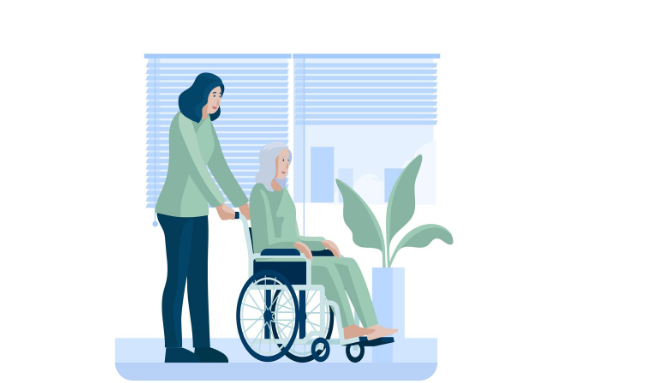
Dementia is a progressive condition that affects memory, cognitive function, and the ability to perform everyday tasks. As the disease advances, individuals require increasing levels of support, making professional nursing care a vital component in their overall well-being. Nursing care provides not only medical assistance but also emotional support, ensuring that patients retain their dignity and quality of life for as long as possible.
Understanding the Challenges of Dementia Care
Caring for a loved one with dementia can be emotionally and physically exhausting for families. Dementia patients often experience memory loss, confusion, mood swings, and difficulty communicating, which can make everyday interactions challenging. As the condition progresses, basic tasks such as eating, dressing, and personal hygiene become harder, requiring round-the-clock assistance. Professional nursing care offers the structured and compassionate support necessary to manage these challenges effectively.
The Importance of Specialised Nursing Care
Professional nursing care is crucial in managing the complex needs of dementia patients. Trained nurses and caregivers understand the different stages of dementia and provide tailored care to ensure patients feel safe and comfortable. Their expertise allows them to handle behavioral changes, manage medications, and provide assistance with daily living activities.
One of the key aspects of nursing care is creating a structured routine. Dementia patients thrive in familiar environments with predictable schedules, reducing anxiety and confusion. Nursing professionals establish consistent routines, helping patients feel more at ease and improving their overall well-being.
Medical Management and Supervision
Dementia often comes with additional health concerns such as high blood pressure, diabetes, and mobility issues. Nursing care plays a critical role in monitoring these conditions, ensuring that medications are taken on time, and identifying any signs of deterioration. Skilled nurses are trained to recognise symptoms that might indicate complications, allowing for timely medical intervention and preventing avoidable hospitalisations.
Pain management is another crucial aspect of nursing care. Dementia patients may struggle to communicate discomfort, leading to distress and agitation. Nurses use their experience to assess non-verbal cues and implement pain relief strategies, ensuring that patients remain as comfortable as possible.
Emotional and Psychological Support
Beyond physical and medical care, nursing professionals provide essential emotional and psychological support to dementia patients. Feelings of isolation, frustration, and confusion are common, and having a compassionate caregiver can make a significant difference in a patient’s emotional state.
Engaging patients in meaningful activities tailored to their abilities helps stimulate cognitive function and maintain a sense of purpose. Activities such as music therapy, art sessions, or simple reminiscence exercises are often incorporated into nursing care to enhance patients’ mood and cognitive engagement.
For families, professional nursing care offers much-needed relief. Watching a loved one struggle with dementia can be heartbreaking, and caregivers often experience burnout. Having a dedicated team of professionals allows family members to spend quality time with their loved ones without the stress of constant caregiving.
Providing a Safe and Supportive Environment
Safety is a significant concern for dementia patients, particularly those prone to wandering or confusion. Nursing care ensures that patients reside in a secure environment, minimising the risk of falls, accidents, or injuries. Secure facilities, handrails, non-slip surfaces, and supervised outdoor spaces allow patients to move freely without jeopardising their safety.
Additionally, nurses assist with nutritional needs, ensuring that dementia patients receive balanced meals that cater to their dietary requirements. Malnutrition is a common issue among dementia patients, often due to forgetfulness or difficulty eating, making nursing support invaluable in maintaining good health.
Enhancing Quality of Life Through Compassionate Care
While there is no cure for dementia, professional nursing care can significantly improve the quality of life for patients. The combination of medical supervision, daily assistance, emotional support, and structured activities helps patients maintain their dignity and independence for as long as possible.
By choosing expert nursing care, families can ensure that their loved ones receive the highest standard of care tailored to their unique needs. Professional caregivers help create a nurturing environment that fosters comfort, stability, and emotional well-being, making the journey with dementia more manageable for both patients and their families.
For those seeking high-quality dementia care, Hazelmere Bexhill provides compassionate and specialised nursing care designed to support dementia patients at every stage. Their dedicated team ensures that residents receive the best possible care in a safe and nurturing environment, offering peace of mind to families.
If you are considering professional dementia care for a loved one, visit Care home bexhill to learn more about their comprehensive services.