What To Expect When Transitioning A Loved One To A Residential Care Home For Dementia
Caring for a loved one with dementia can feel overwhelming, and there often comes a time when families need to consider moving them into a specialist care setting. Choosing a dementia care home in Bexhill is never an easy decision, but it can provide the support, structure, and professional care needed as the condition progresses. Understanding what to expect during this transition can help reduce worry and make the process easier for both you and your loved one, as well as how to support them when they settle into a Residential Care Home in Bexhill.
Starting the Conversation
One of the hardest parts of this journey is starting the conversation. It is important to speak with care and understanding, and where possible, involve your loved one in the decision. Early discussions give them a chance to share their feelings, worries, and preferences.
Focus on the benefits, such as 24-hour care, a safe environment, and opportunities to meet others. A Trusted Elderly Care Home in Bexhill can offer a supportive community for people living with dementia. Be patient, as it is normal for your loved one to feel unsure or resistant at first.
Researching and Visiting Care Homes
Once you have started the conversation, the next step is to look for suitable care homes. Choose homes that specialise in dementia care and have a good reputation for kindness and quality care. When looking at a residential care home in Bexhill, check things like staff training, cleanliness, safety, and daily activities.
Visiting care homes is very important. It allows you to see the environment for yourself and observe how staff treat residents. It also gives you the chance to ask questions and feel confident about the care your loved one will receive.
Preparing for the Move
Moving into a care home involves both practical and emotional preparation. Taking time to plan can make the move easier.
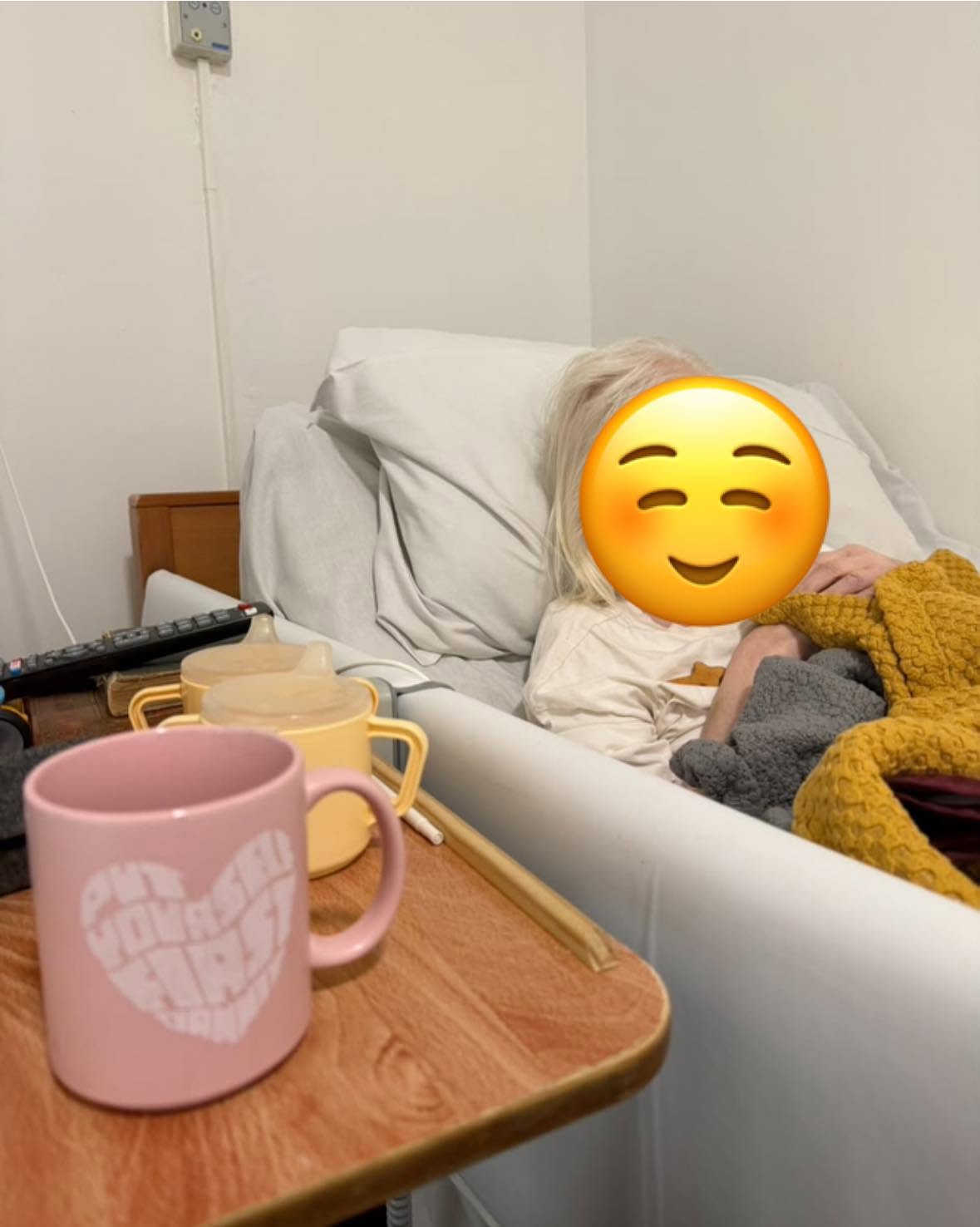
Bringing familiar items can really help. Things like photos, favourite blankets, or personal keepsakes can make the new room feel more comfortable and familiar. It is also important to share clear information with staff, including medical history, daily routines, and personal preferences. This helps them create a care plan that suits your loved one.
If possible, short visits before moving day can also help. These visits allow your loved one to become familiar with the setting and reduce anxiety.
Settling Into the Care Home
Even with good preparation, it is normal for people with dementia to need time to adjust. They may feel confused, anxious, or unsettled in the first few weeks. Some may also want to return home, which can be difficult for families.
During this time, reassurance and routine are very important. Regular visits can help your loved one feel supported and connected. At the same time, it is also important to give them space to build relationships with staff and other residents.
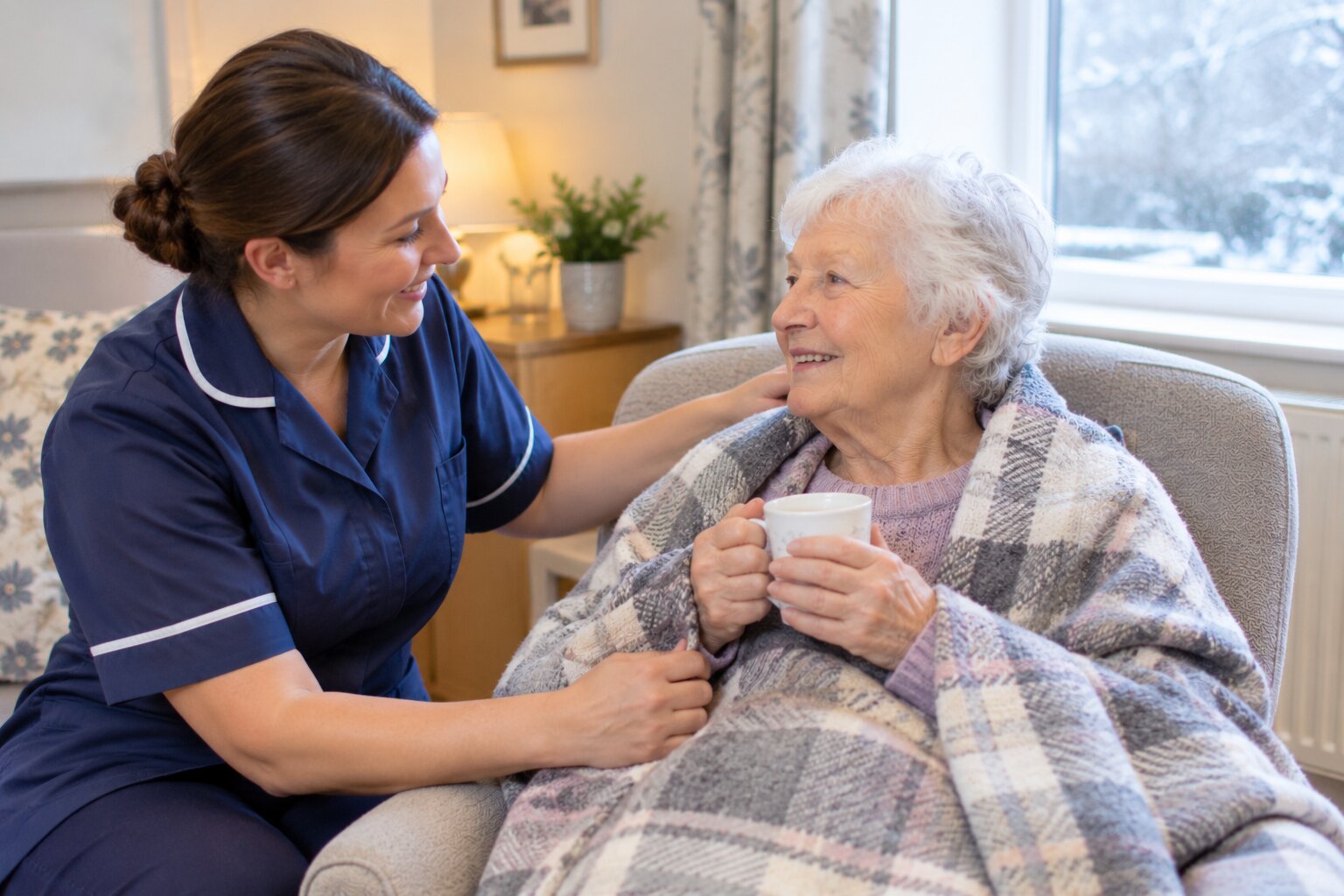
Every person adjusts at their own pace. Working closely with the team at an elderly care home in Bexhill can make a big difference. Staff are trained to support new residents and can adapt care to help them settle in more comfortably.
Benefits of Long-Term Dementia Care
Although the move can be emotional, the long-term benefits are often very positive. A good care home for loved ones in Bexhill provides a safe, structured environment designed for people with dementia.
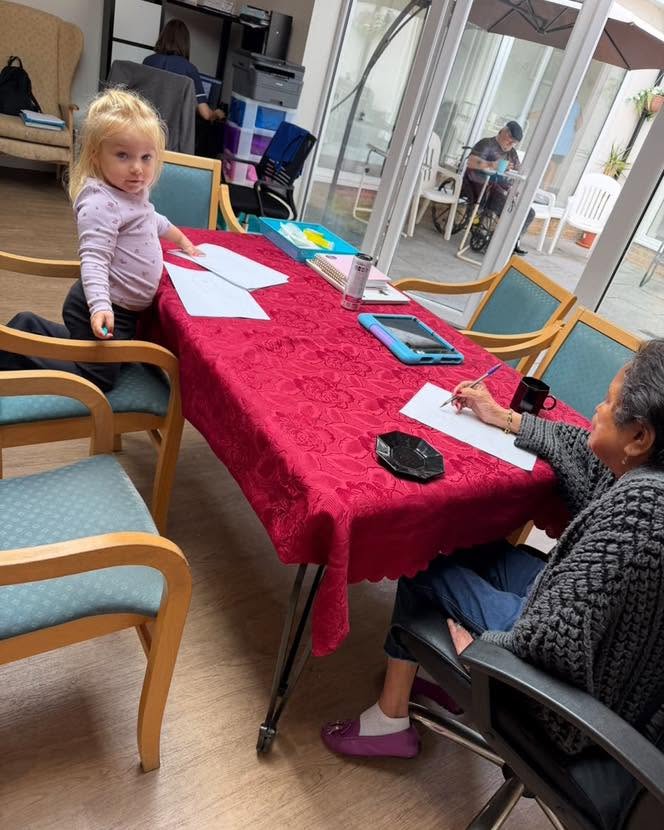
Residents benefit from daily routines that reduce confusion and bring stability. Safety features help prevent risks, while dementia-friendly layouts make it easier to move around. Social activities also help residents stay active and connected with others.
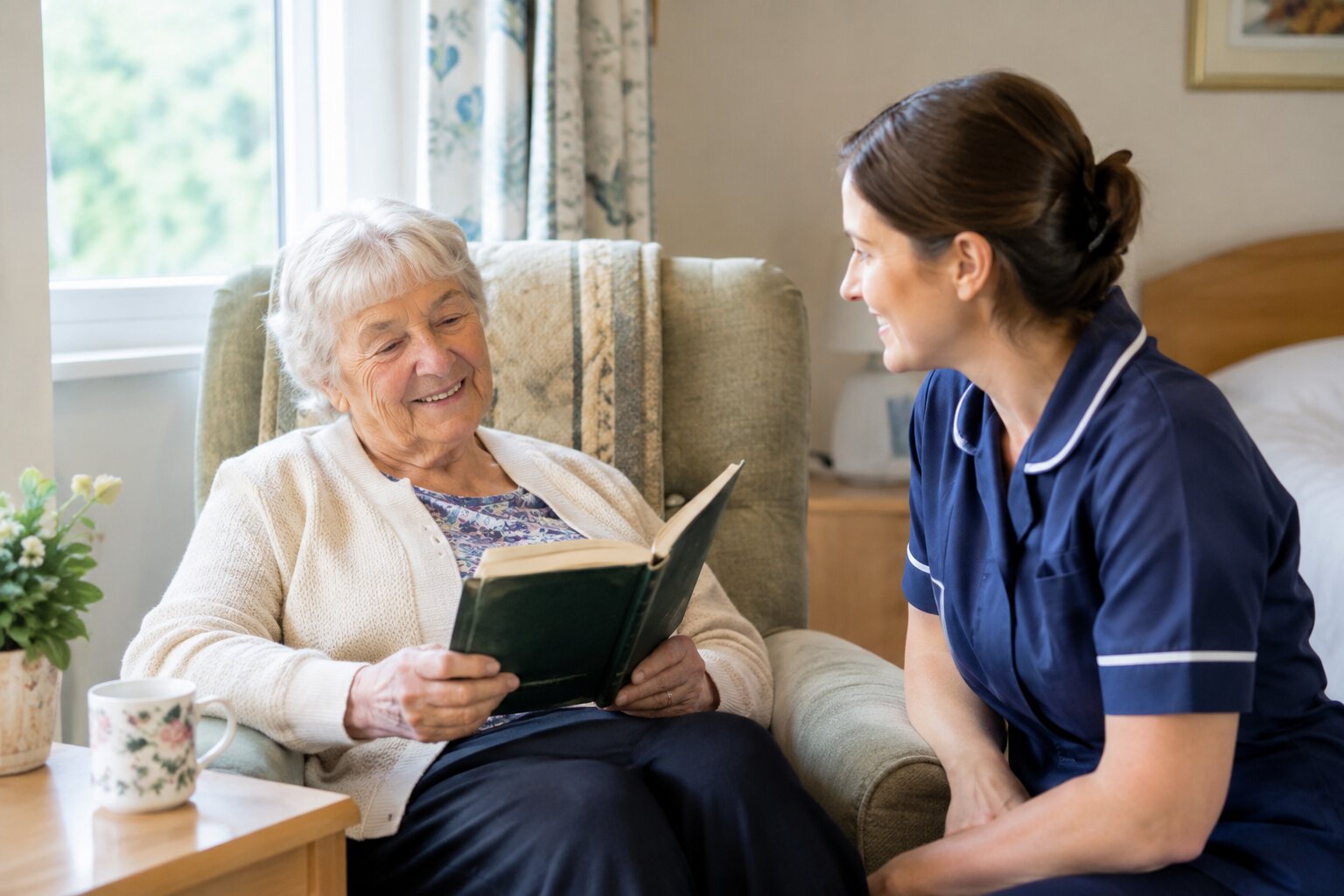
Trained staff provide both medical and emotional support, helping to improve quality of life in a residential care home in Bexhill.
Moving a loved one into a care home is a major step, but it is often made to ensure their safety and wellbeing. With good planning, open communication, and the right support, the transition can be made smoother.
A trusted elderly care home in Bexhill provides not only professional care but also a kind and supportive environment. With the right help, your loved one can continue to live with dignity, comfort, and a sense of belonging.